
How to restore the Water Cycle
The goal is to re-create a living landscape that holds water, releases it gradually, supports rich biodiversity and productive agriculture, and helps stabilize local climate conditions. This concept can be applied on farms, in forests, in cities, and across whole river catchments, always with the same intention: to heal the relationship between land, water, and atmosphere in a way that is regenerative and long‑term.
Why restore the Water Cycle
A healthy Water Cycle is essential for balancing local climates, reducing the severity of floods, fires and droughts, and promoting biodiversity.
What is the Water Cycle?
The large Water Cycle moves water across the planet. The small Water Cycle turns that water into life, resilience, and local climate stability.
The small water cycle describes the continuous movement of water between land, vegetation, and the atmosphere at a local and regional scale.
The Small Water Cycle
CLOUDFORMATION
EVAPOTRANSPIRATION
RAINFALL
SOIL & VEGETATION
The small water cycle describes how water moves locally between land and atmosphere. Water evaporates from moist soil and open water and transpires from plants, rises into the air, forms clouds, and falls back as rain, dew, or fog over the same region. When this moisture soaks into the ground instead of running off, it refills soil and shallow groundwater, supports vegetation, and keeps local climates cooler and more humid. Healthy soils, diverse plant cover, and intact wetlands all strengthen the small water cycle and help stabilize local rainfall patterns.
The large water cycle brings water to land — but only the small water cycle keeps it there.
The Full Water Cycle
The large water cycle describes the global circulation of water between oceans, atmosphere, and continents.
CLOUDFORMATION
EVAPORATION
RAINFALL
RIVER & GROUNDWATER
OCEAN
The large water cycle describes the global circulation of water between oceans, land, and atmosphere. Solar energy drives evaporation mainly from the oceans; this vapor travels long distances in the atmosphere, condenses into clouds, and returns as precipitation over both land and sea. On land, some of this water infiltrates into deeper groundwater, some is taken up by plants and later returned to the air, and some flows as rivers back to the oceans. This large‑scale cycle connects continents and climates, redistributing heat and moisture around the planet and making life on Earth possible.
What is Water Cycle Restoration?
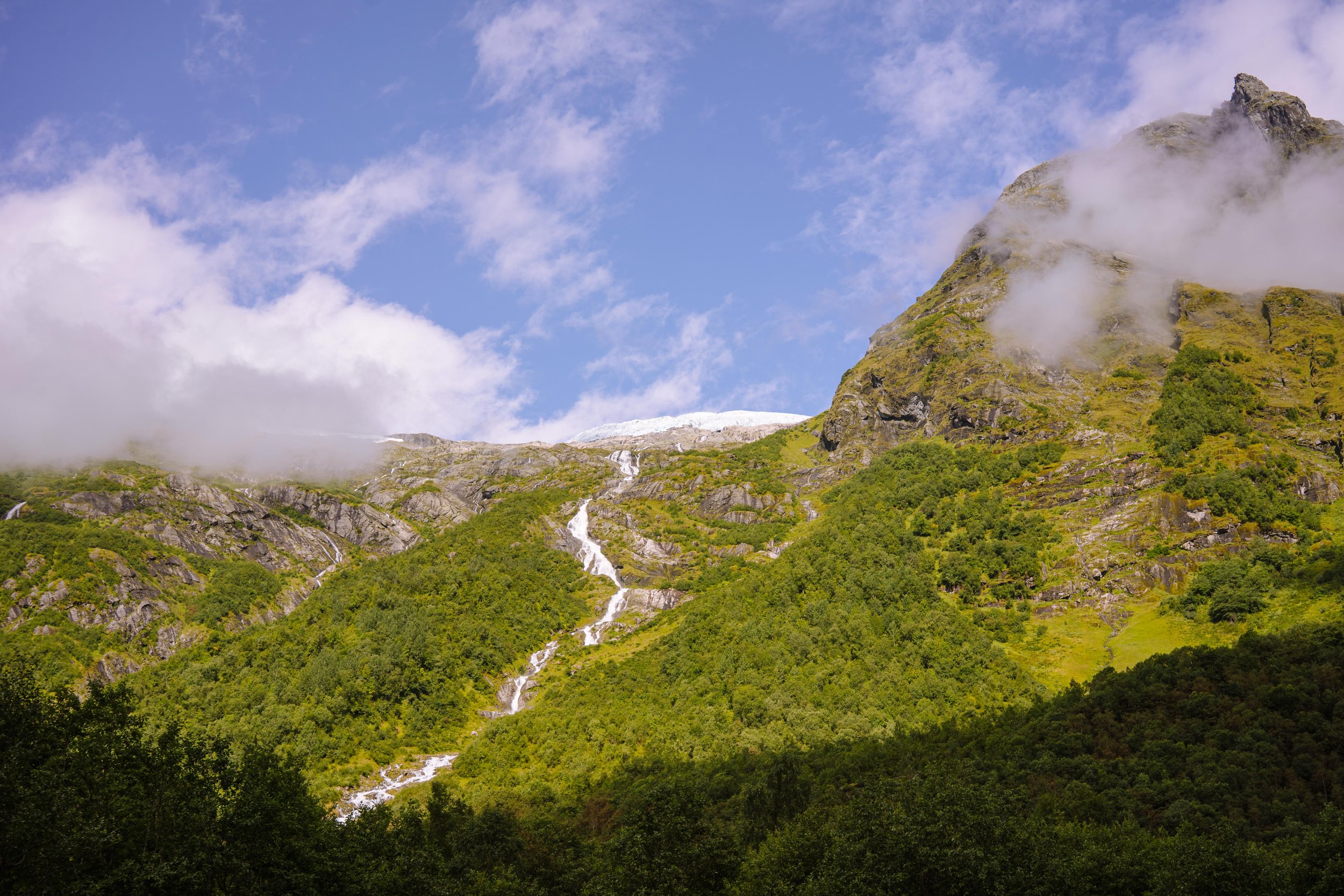
Water Cycle Restoration is the active repair of damaged water flows in landscapes so that rain can once again soak into the ground, feed plants, refill groundwater, and return to the atmosphere in a balanced way. It focuses on turning fast, destructive runoff into slow, beneficial infiltration, which reduces floods, droughts, soil loss, and ecosystem stress.
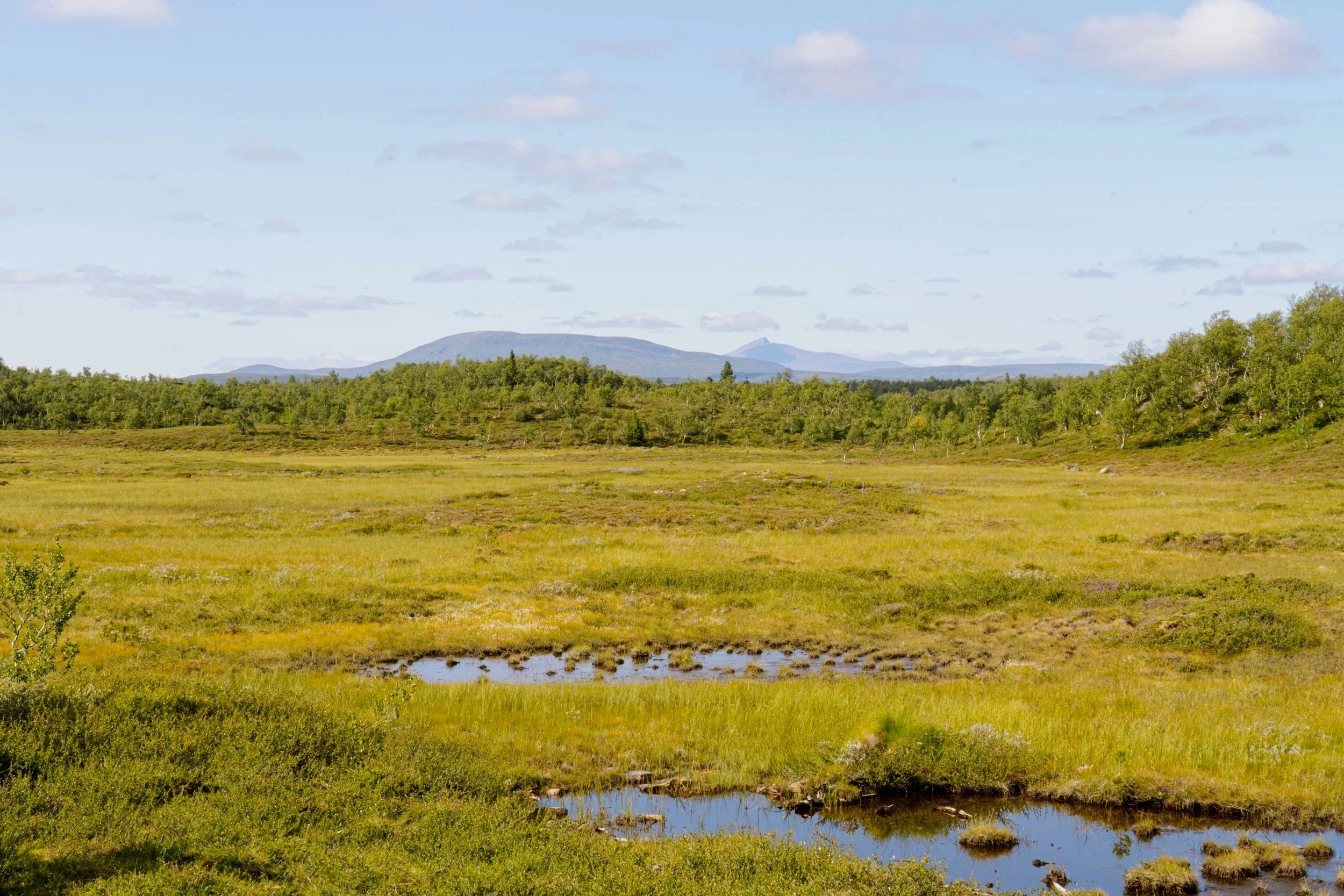
Key components of Water Cycle Restoration
SOIL HEALTH
Improving soil health to turn bare ground into a "soil carbon sponge" that absorbs and holds water.
INFILTRATION
Slowing and sinking water through features like earth dams, ponds, terraces, or check dams to reduce destructive runoff and increase groundwater recharge.
RESTORATION
Restoring ecosystems such as wetlands, floodplains, and forests, which act as natural water filters and storage systems.
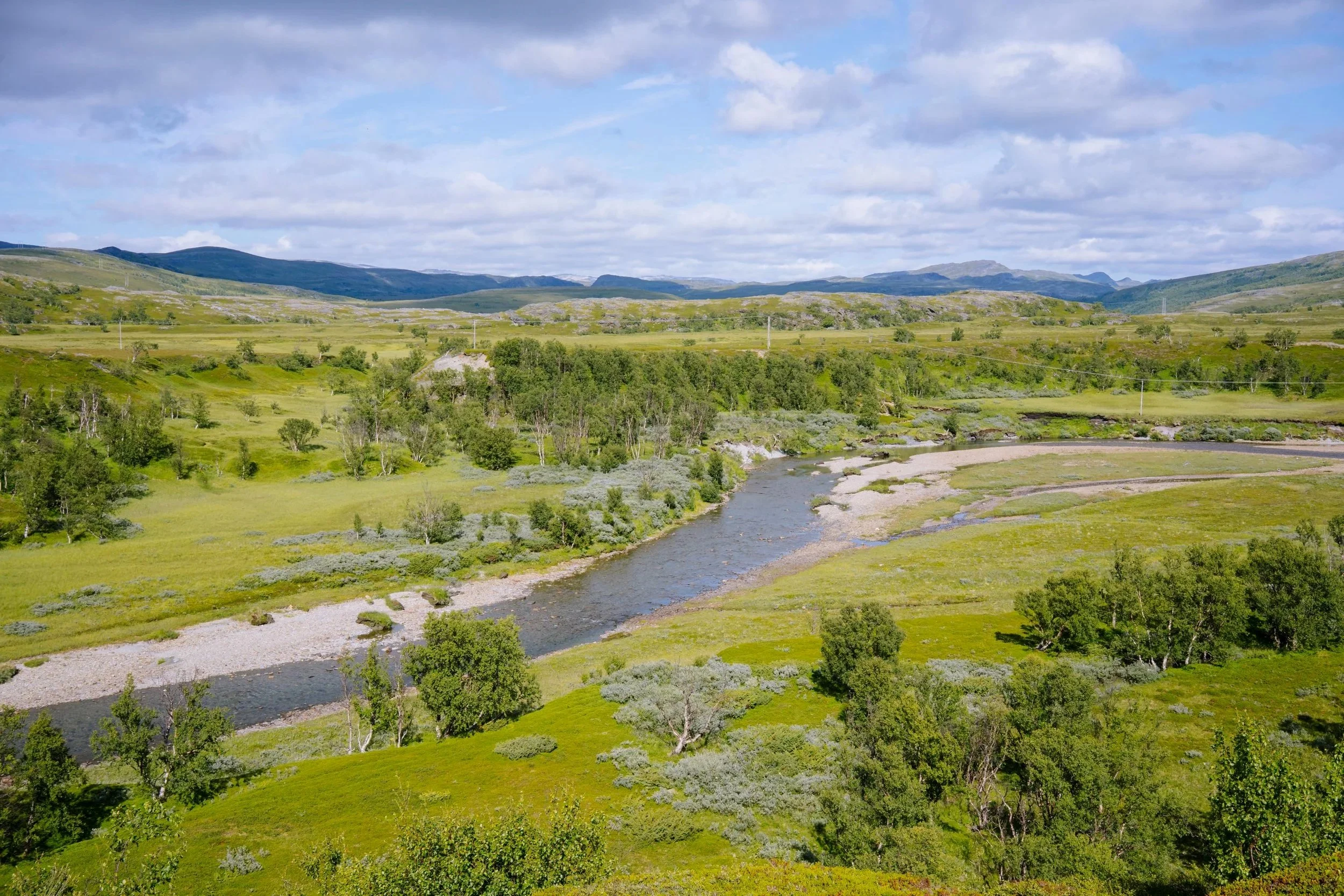
TO RESTORE THE WATER CYCLE, WE MOVE AWAY FROM TRADITIONAL DRAINAGE AND TOWARD RETENTION.
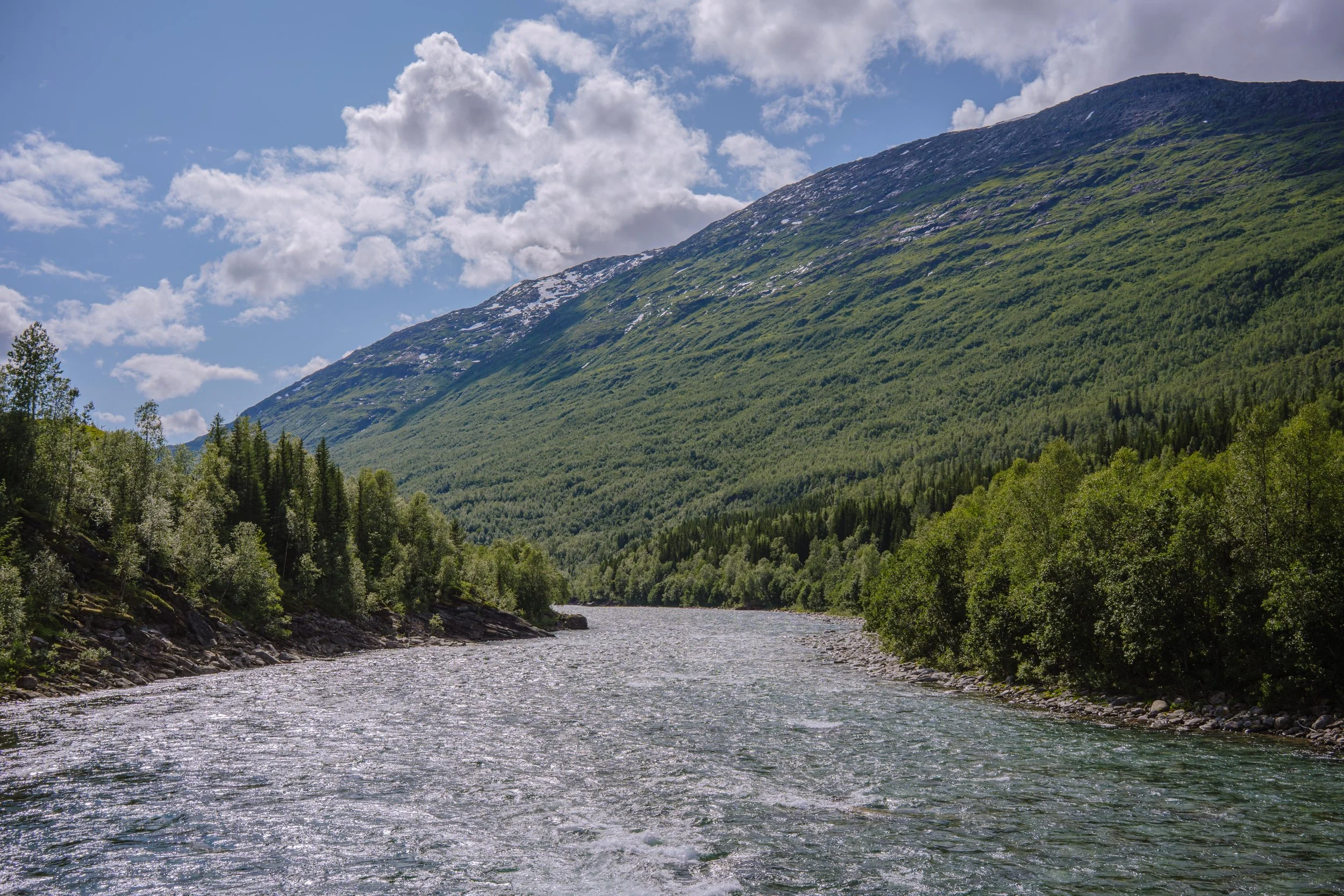
1. Slow it
Reduce the speed of water
To slow water means reducing its flow velocity across the landscape so it has time to interact with soil, plants, and living systems.
For example by:
❋ Contour-based design (swales, terraces, keyline)
❋ Check dams and leaky structures in channels
❋ Rough surfaces created by vegetation and organic matter
Fast water is destructive and quickly lost. Slow water becomes regenerative.
The Core Principles:
2. Spread it
Distribute water evenly
To spread water means moving it laterally across the landscape instead of allowing it to concentrate in narrow channels.
For example by:
❋ Contour earthworks that guide water sideways
❋ Reconnected floodplains and wetlands
❋ Diversion structures that distribute runoff
Water spread across land nourishes ecosystems; water confined to channels causes damage.
3. Sink it
Let water enter the ground
To sink water means enabling water to infiltrate into soil and subsoil layers where it can be stored long-term.
For example by:
❋ Building healthy, biologically active soils
❋ Increasing organic matter and root depth
❋ Reducing compaction and hard surface
Water in the ground is security. Water on the surface is temporary.
How Water Cycle Restoration looks like:
❋ Rebuilding healthy soils so they can absorb and store more water.
❋ Increasing vegetation cover (trees, shrubs, groundcovers) to shade the land, stabilize soil, and release moisture back to the air.
❋ Restoring wetlands, streams, and floodplains so they can act as natural sponges and buffers.
❋ Shaping the land and using small retention features (e.g. ponds, swales, terraces) to slow water down and keep it longer in the area where it falls as rain.
❋ Adapting urban areas with greener surfaces and better rainwater management so less water is lost quickly through drains.
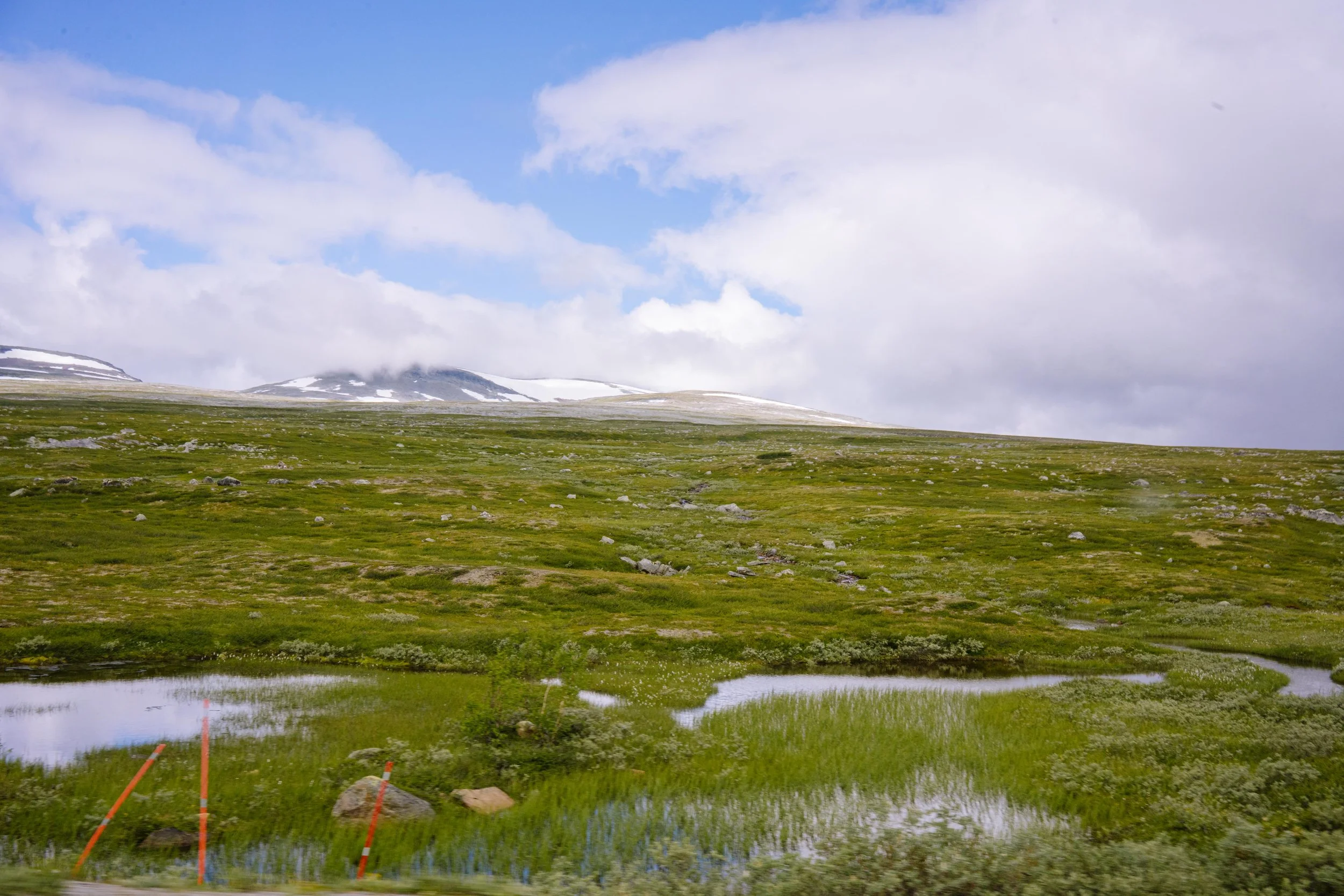
Key Benefits
Climate Cooling: Hydrated landscapes act as natural air conditioners through evaporative cooling.
Biodiversity: Wetlands and healthy soils provide essential habitats for thousands of species.
Flood and Drought Prevention: By recharging the ground, we reduce the intensity of floods and ensure a steady water supply during dry spells.
Carbon Sequestration: Healthy, wet soils and growing plants are significantly better at capturing and storing CO2.
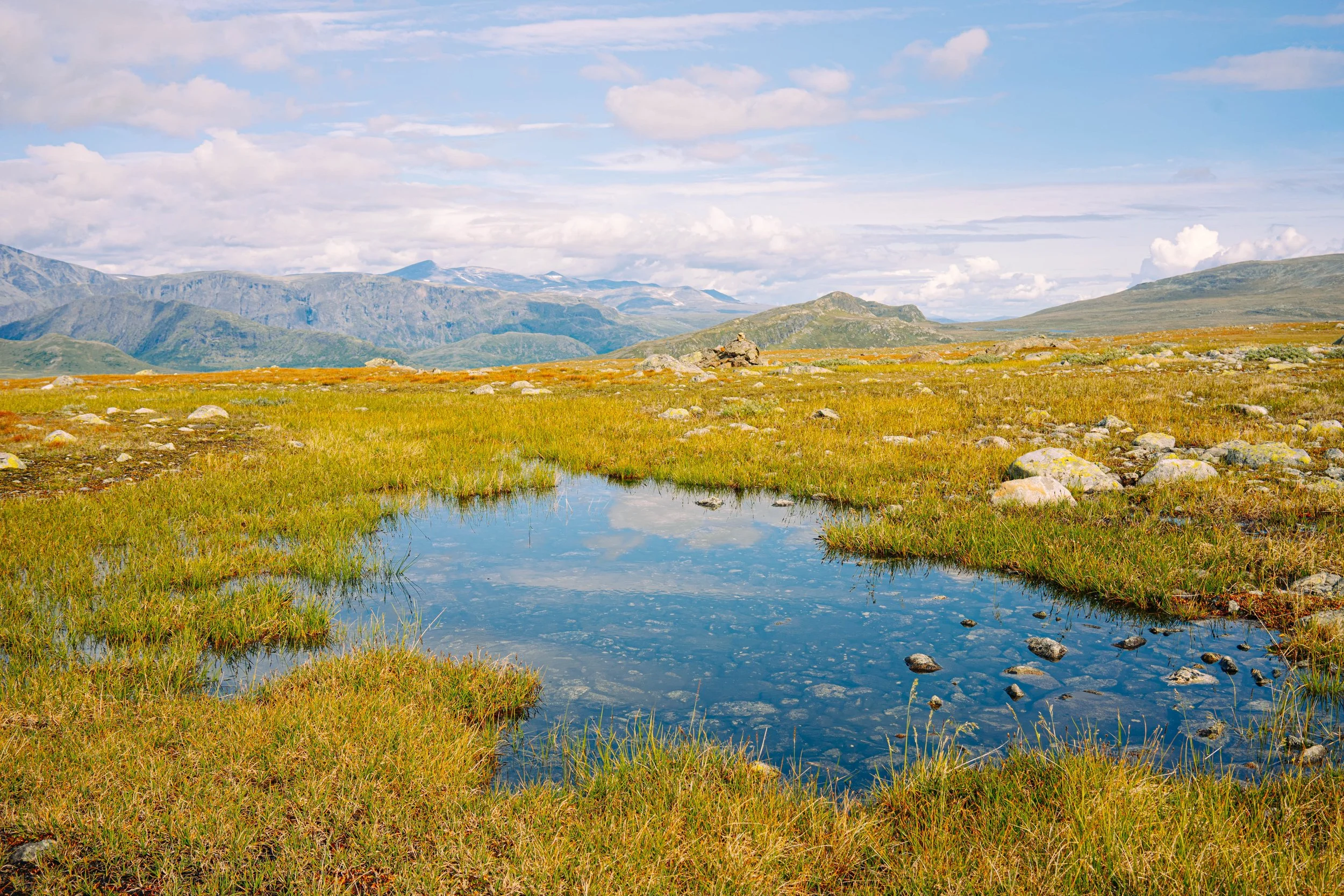
Redirecting water to create value for land, life, and people.
Let’s work together
Find out more about my offerings and my approach.